

The balance sheet or statement of financial position is one of the most important financial statements, providing a quick and comprehensive snapshot of a company’s financial status at a specific point in time. In Saudi Arabia, this statement is prepared according to the (International Financial Reporting Standards – IFRS) approved by the (Saudi Organization for Chartered and Professional Accountants – SOCPA). It acts as a photographic snapshot of the company’s (assets), (liabilities), and (equity) at a given date. At Al-Hamli & Partners, we help companies understand and read this statement, analyze it, and show how it can provide deep insights into their financial health and ability to grow and sustain in the Saudi market. This article aims to simplify how to read financial statements for companies and understand their key components practically.
What is the Definition of the Balance Sheet?
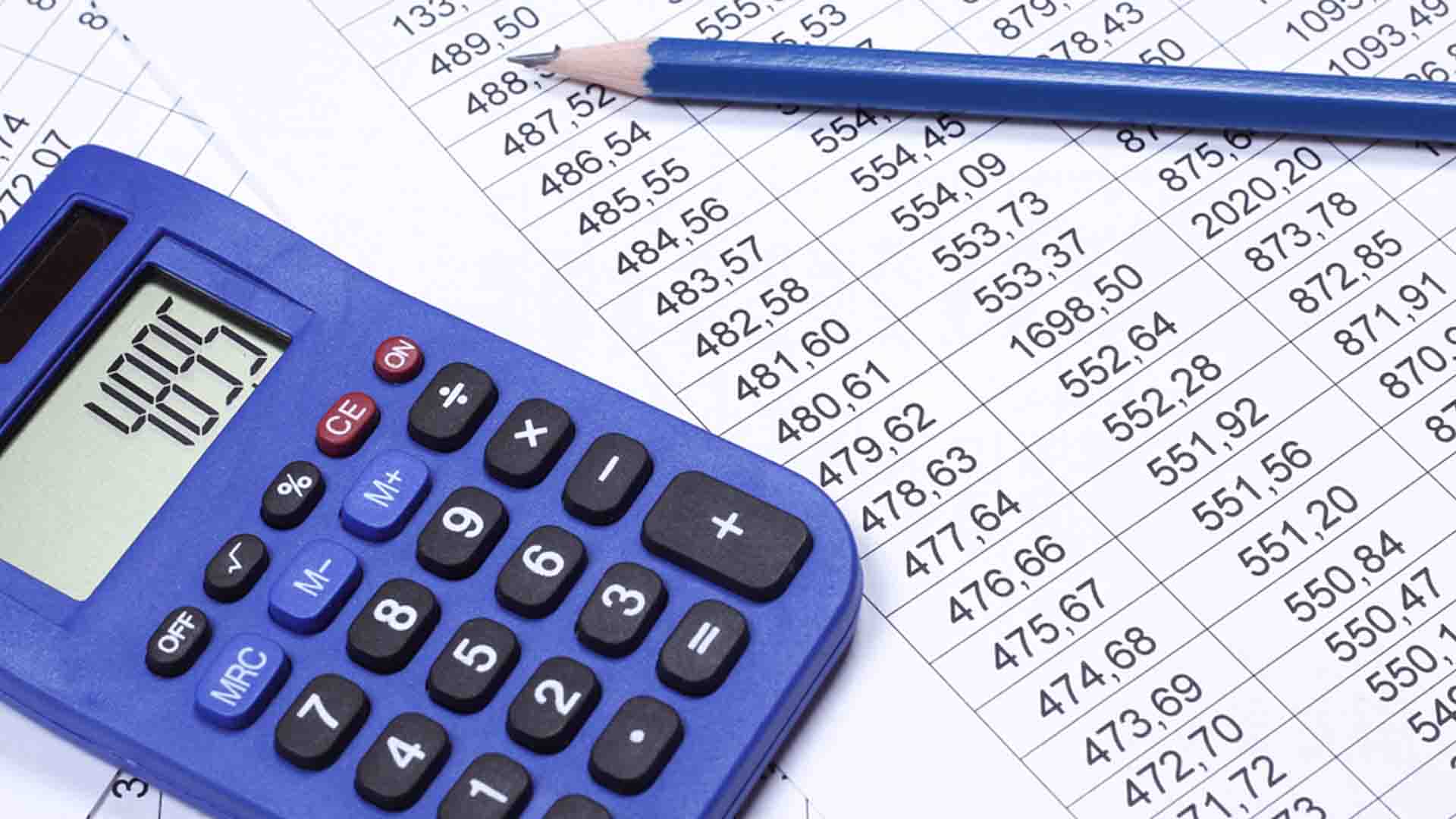
The balance sheet is a type of financial statement for companies that shows what the company owns assets, what it owes liabilities, and what remains for the owners equity at a specific date. It is based on the globally applied accounting equation:
Assets = Liabilities + Equity
This equation means that all resources a company owns are financed either by external sources liabilities or by owners’ investments and retained earnings equity. In the Saudi context, this statement is fundamental for evaluating a company’s financial performance by investors, lenders, and the Zakat, Tax and Customs Authority (ZATCA) for tax and zakat services. For more information about our services, feel free to contact us at 0539300404.
Key Components of the Balance Sheet
When reviewing financial statements for companies, the balance sheet consists of three main sections, usually presented in order of liquidity from most to least:
- Assets
Assets are everything the company owns with future economic value. They are generally classified into current assets and non-current assets according to (IFRS).
- Current Assets
These are assets expected to be converted into cash, sold, or used within one year or the company’s operating cycle, whichever is longer. Examples in Saudi companies include:
- Cash and cash equivalents: funds available in banks and cash registers, the most liquid assets.
- Short-term investments: investments that can be quickly converted to cash (e.g., short-term deposits).
- Accounts receivable: amounts due from customers for sold goods or services.
- Inventory: finished goods, raw materials, or work in progress.
- Prepaid expenses: expenses paid but not yet utilized during the accounting period.
- Non-Current Assets
These are assets not expected to be converted to cash or sold within one year or the operating cycle. Also known as long-term assets. Examples include:
- Property, Plant, and Equipment (PP&E): land, buildings, machinery, and vehicles used in company operations.
- Long-term investments: investments in other companies or securities not expected to be sold soon.
- Intangible assets: patents, trademarks, goodwill, and franchise rights.
- Liabilities
Liabilities are debts or financial obligations the company owes to others. They are classified into current and non-current.
- Current Liabilities
Obligations to be settled within one year or the operating cycle, such as:
- Accounts payable: amounts owed to suppliers for goods or services.
- Short-term loans: loans due within a year.
- Accrued expenses: incurred but unpaid expenses, e.g., salaries payable.
- Unearned revenue: amounts received from customers for goods or services not yet delivered.
- Zakat/Tax payable: amounts due to the (ZATCA).
- Non-Current Liabilities
Obligations not expected to be settled within one year, including:
- Long-term loans: loans due after more than a year.
- Bonds payable: debt issued to investors.
- End-of-service benefits provision: obligations to employees at the end of service.
- Equity
Equity is the owners’ share in the company after deducting liabilities from assets, also known as net assets. Examples include:
- Paid-in capital: funds invested by owners.
- Retained earnings: profits not distributed to owners and reinvested in the company.
- Reserves: amounts set aside for specific purposes according to the company’s bylaws or regulations.
Also Read:
- Best Certified Accountants and Auditors Firms in Saudi Arabia 2026
- Required Steps When Establishing a Company formation in Saudi Arabia with a Certified Accounting Firm
- Financial Statements for Companies as a Mirror of Corporate Performance
- How to Choose a Professional Team of Certified Accountants for Your Company in Saudi Arabia
- How the Accounting Cycle Helps You Control Your Finances
- Internal Auditing as the First Line of Defense Against Losses and Risks
How to Read and Understand the Balance Sheet Practically in Saudi Arabia?
To effectively read financial statements in the Saudi context, you need to look beyond the numbers and understand their implications, considering local standards:
- Analyzing the Financial Structure
- Current Ratio (Current Assets / Current Liabilities): shows the company’s ability to pay short-term obligations. A ratio of 2:1 or higher is generally considered good but varies by industry and business nature in (Saudi Arabia).
- Debt-to-Equity Ratio: indicates how much the company relies on debt versus owner financing. A high ratio may imply greater financial risk, affecting banks’ and investors’ evaluations in Saudi Arabia.
- Asset Distribution: Are most assets current or non-current? This reflects the company’s nature, e.g., a trading company relies on inventory, an industrial company on plants and equipment, helping understand operational strategy.
- Assessing Liquidity
Liquidity is the company’s ability to convert assets into cash to settle obligations. Current assets are the main indicator. If current assets far exceed current liabilities, it indicates good liquidity, essential for business continuity in any market.
- Assessing Solvency
Solvency is the company’s ability to meet long-term obligations. It is assessed by comparing total assets with total liabilities and the debt-to-equity ratio. A solvent company has sufficient assets to cover long-term debts, boosting investor and lender confidence.
- Comparing Performance Over Time
A single balance sheet is not enough. Compare the current statement with past statements over several years to identify trends: Are assets growing? Is debt increasing worryingly? Is equity rising? These trends provide a clearer picture of the company’s financial path and market development in Saudi Arabia.
- Benchmarking Against Competitors
Compare your company’s balance sheet with financial statements for companies competitors in the same industry in Saudi Arabia. This helps determine your financial strength relative to the market and identify areas for improvement to enhance competitiveness. For more information about our services, feel free to contact us at 0539300404.
Conclusion:
The balance sheet is an indispensable tool for any manager or investor wishing to understand a company’s true financial position in Saudi Arabia. By understanding its key components, analyzing the relationships between assets, liabilities, and equity, and comparing performance over time and with competitors, you gain valuable insights to make sound financial and operational decisions that support your company’s growth and sustainability. Do not view it as rigid numbers but as a financial story your company tells according to the approved accounting standards in Saudi Arabia.
Common Questions:
What is the difference between a balance sheet and a budget in Saudi companies?
The balance sheet reflects the actual financial position of the company at a specific time through assets and liabilities, while the budget is a future financial plan within the financial statements to estimate revenues and expenses.
How can financial statements be used to improve administrative and financial position?
Analyzing financial statements for companies such as the income statement and balance sheet helps improve administrative and financial position by managing current assets, reducing current liabilities, and making more precise operational decisions. For more information about our services, feel free to contact us at 0539300404.
What is the correct format of the income statement according to accounting standards?
The format of the Income statement depends on presenting revenues, then cost of sales, leading to net profit, clearly showing each item in an organized manner according to the approved financial statement standards.
When does a company need to review financial statements with a firm like Al-Hamli & Partners?
Companies need to review financial statements when experiencing growth or problems in the balance sheet or before making investment decisions, as Al-Hamli & Partners helps read and analyze assets and liabilities accurately. For more information about our services, feel free to contact us at 0539300404.

